
Hédāngkù (合裆裤)
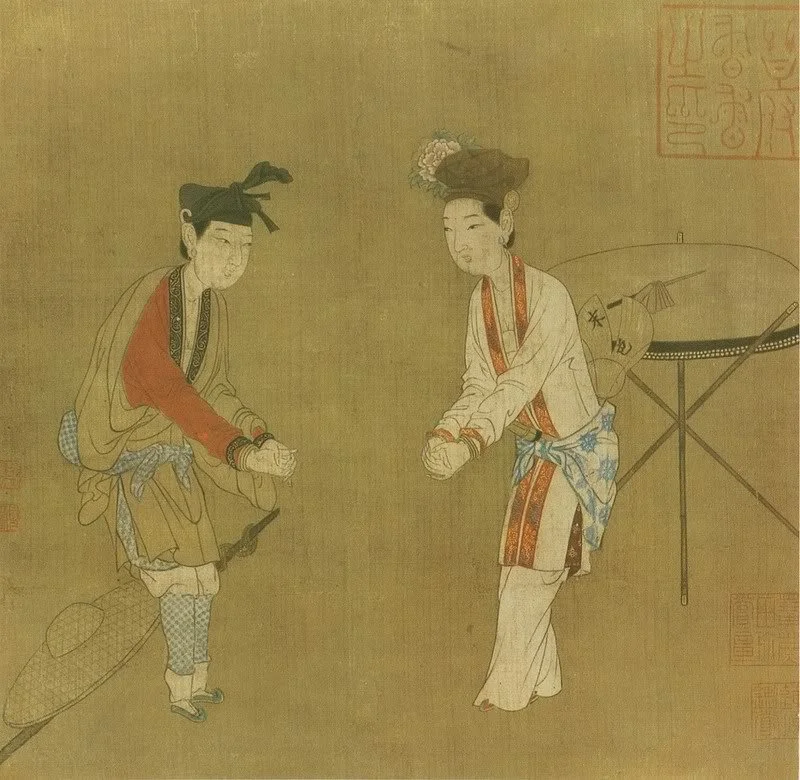
The hedangku are a type of unisex loose trousers with an oversized waistband folded and cinched around the waist with a tie. Hedangku are often worn as an undergarment beneath robes or skirts, or paired with a loose top such as a shuhe.
Prior to the Han Dynasty people wore trousers called jingyi (“shin clothing”) without crotches made from two separate legs that tied together at the waist with a wrapped skirt on top to conceal the lower body. Confucian classics even included written rules that people must kneel before sitting and could not sit with both legs forward and spread apart to prevent disgraceful exposure with this style of dress.
Hedangku were developed from Hufu clothing as an alternative to crotchless-trousers. After close interaction with horse-riding nomadic people who wore trousers with closed crotches and narrow legs, Chinese officials began to wear them in court. However, the silhouette revealing two thin legs was considered inappropriate amongst traditional loose fitting ceremonial wear, and so the trouser legs were widened to appear more similar to traditional robes but still provide improved mobility. Thus, the hedangku were developed.
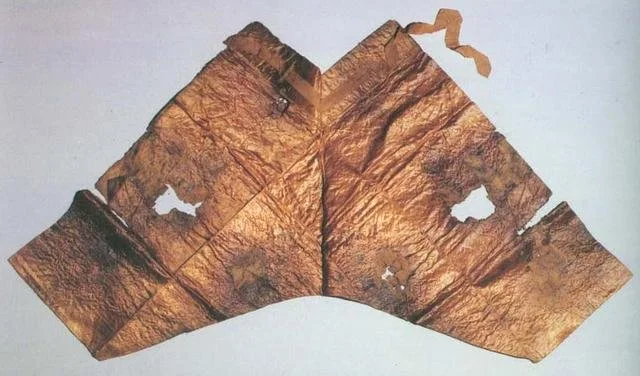
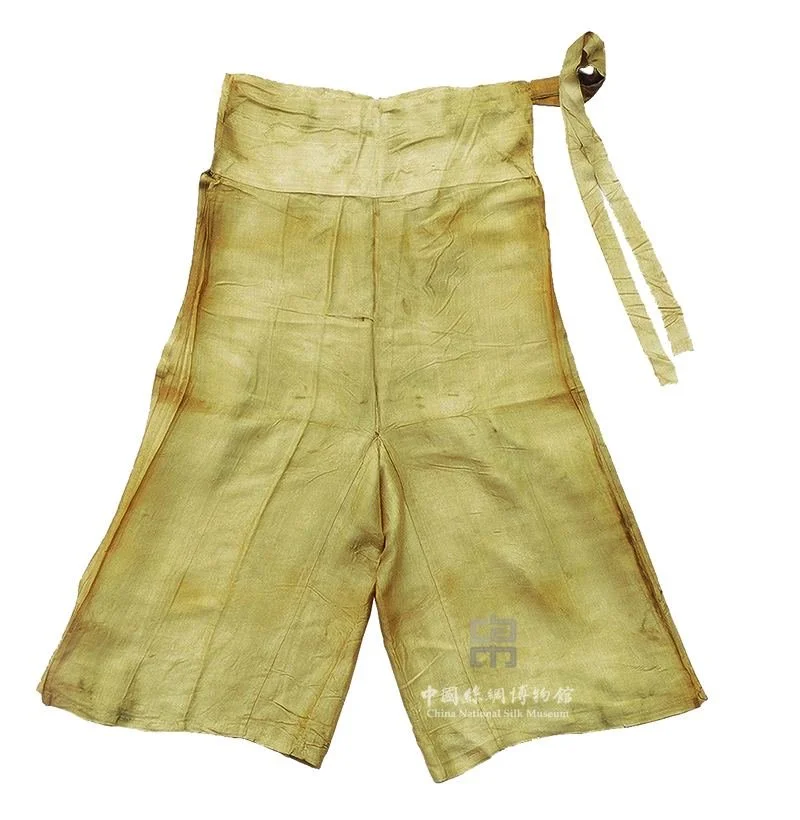
Various styles of hedangku were worn from the Han Dynasty to the Ming Dynasty, and a variety of sub-styles emerged over time. During the Wei, Jin, and Northern & Southern Dynasties periods, a style called fu ku (“bound breeches”) using a string to cinch the legs below the knee became popular to prevent the trouser legs from obstructing horseback riding or labor. In the Ming Dynasty, calf coverings called xi ku (“knee trousers”), could be worn over the hedangku to keep the legs and socks hidden. Women who worked as laborers sometimes wore shorter pleated skirts that fully exposed their colorful xi ku.
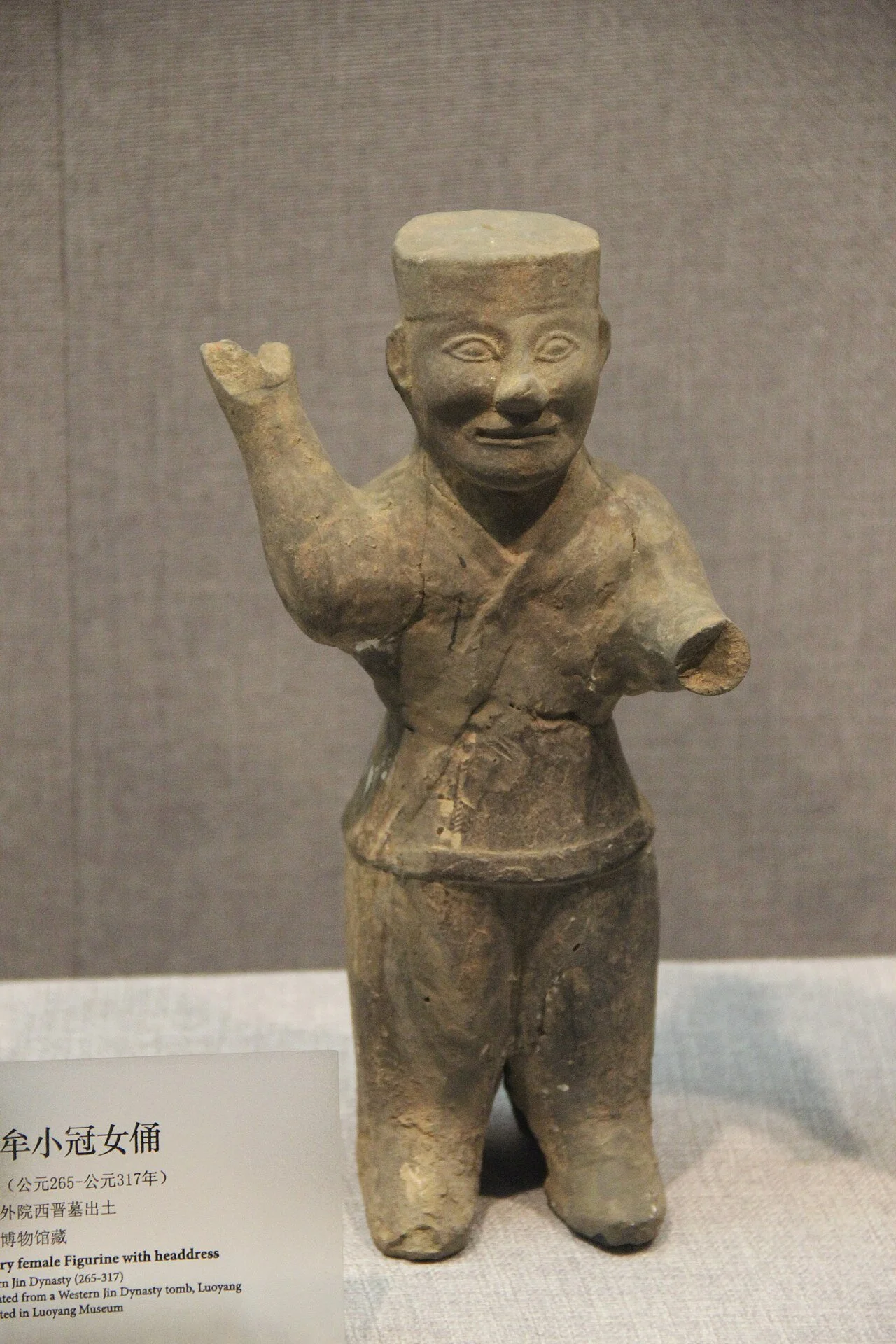
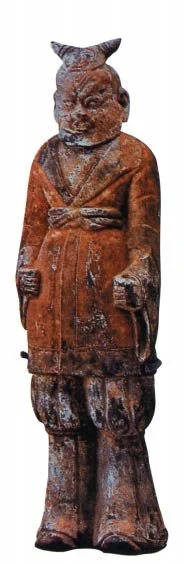
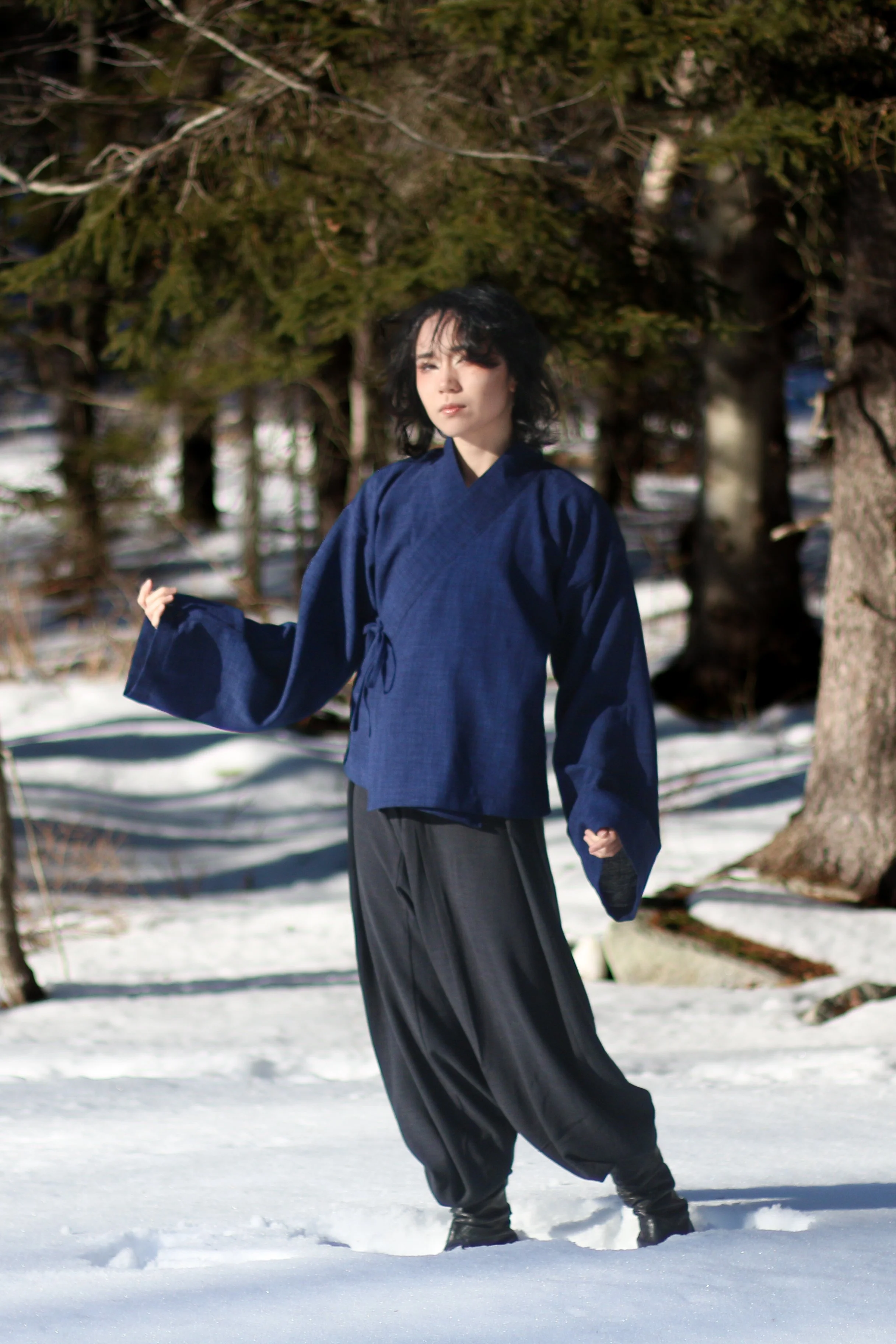
Sew Your Own
Interested in making your own hedangku? Use “The Adventurer” hanfu sewing pattern (includes shuhe, hedangku, fanglingpao, and accessories patterns).
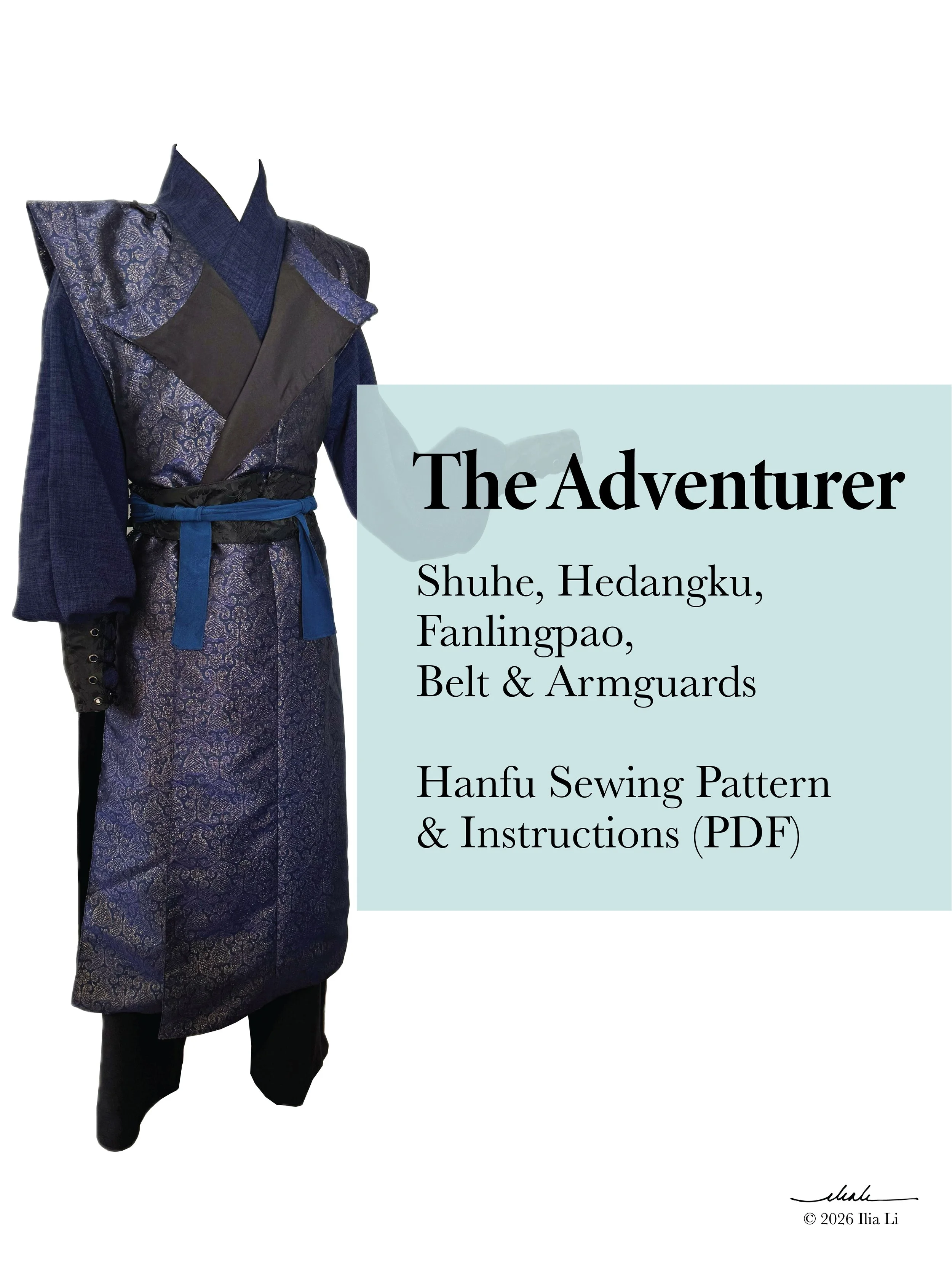
Looking for a Hanfu sewing pattern? Making a wuxia, xianxia, or danmei cosplay or Chinese historical reenactment costume? Want a pattern that provides info on how to properly wear Hanfu and historical considerations like sleeve length and fabric choices? I have made just the pattern for you! This pattern includes 3 garments—a shuhe, hedangku, and fanlingpao, as well as accessories (belt and armguards)—which can be worn layered together or separately. The fanlingpao, belt, and armguards in this pattern are designed in a fantasy style that has become popular in modern wuxia/xianxia media. The shuhe and hedangku in this pattern are designed in a more historical way.
This digital download includes:
Printable sewing pattern & fully illustrated sewing instructions for 3 garments plus accessories: Shuhe, Hedangku, Fanlingpao, Belt & Armguards
Printable patterns are compatible with US Letter, A4, and A0 paper
4 unisex sizes covering approximately US men’s XS-L or women’s XS-XXL and instructions on how to resize your pattern
See size chart image for detailed measurements
Instructions on how to wear Hanfu
Historical considerations for fabrics, colors, motifs, and fit
Estimated yardage & sample cutting layouts
Note that I pattern in metric, so the standard seam allowance is 1cm (3/8in). Information to alter the seam allowance is provided
When you purchase this pattern, a checkout page will open containing a link to the digital download that will last for 24 hours. You will also receive an email with the same link. The download is a zip file which you will need to unzip to access the PDFs of the printable patterns and instructions. Please make sure to provide your correct email address so that the digital download is delivered to you successfully and remember to download it within 24 hours of delivery. To use the digital pattern, print out the pattern PDFs, tape together the numbered grid of pages, and then cut out the pattern pieces.
Note that this pattern is to be used for your personal use only. Commercial use and redistribution are not permitted.
Sources Consulted (photo sources listed in image captions):
Chinese Clothing by Hua Mei
5000 Years of Chinese Costume by Xun Zhou
Hanfu: A Visual Primer of Historical Han Chinese Attire by the Northern California Hanfu Association
