
Zhíduō (直裰)
The zhiduo is a cross-collar long men’s robe favored by scholars, officials, and Buddhist monks. Zhiduo can have straight sleeves or wide curved pipa sleeves, and the hem length should fall between the knee and the ankle. Typically, the collar has a white collarguard sewn on top of it designed to be replaced when it becomes soiled or worn out. Zhiduo were worn between the Tang Dynasty and the Ming Dynasty, however styles slightly varied between dynasties.
In the Song Dynasty, zhiduo typically had no side slits. A variant of the zhiduo with black trim around the hem, side slits, and sleeves became popular amongst scholars. During the Ming Dynasty, zhiduo were made with side slits from the hem to the waist and layered over trousers or a skirt so that the layers worn underneath were revealed while walking. In the Song and Ming Dynasties, the zhiduo was often worn as an outer layer by scholars and monks. However, the zhiduo could also be worn layered underneath another garment, such as a yuanlingpao or daopao.
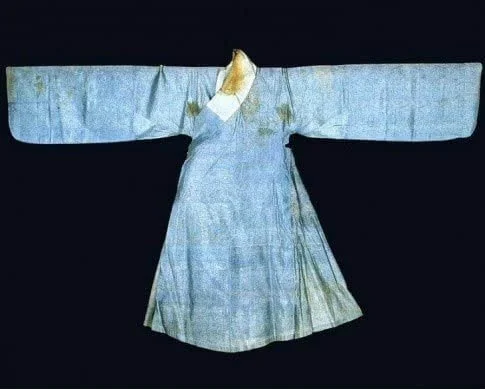
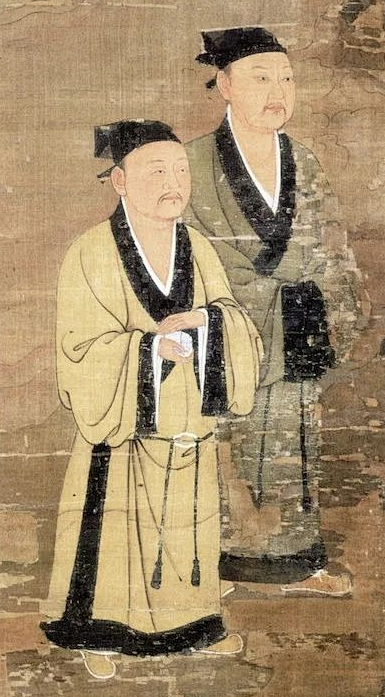
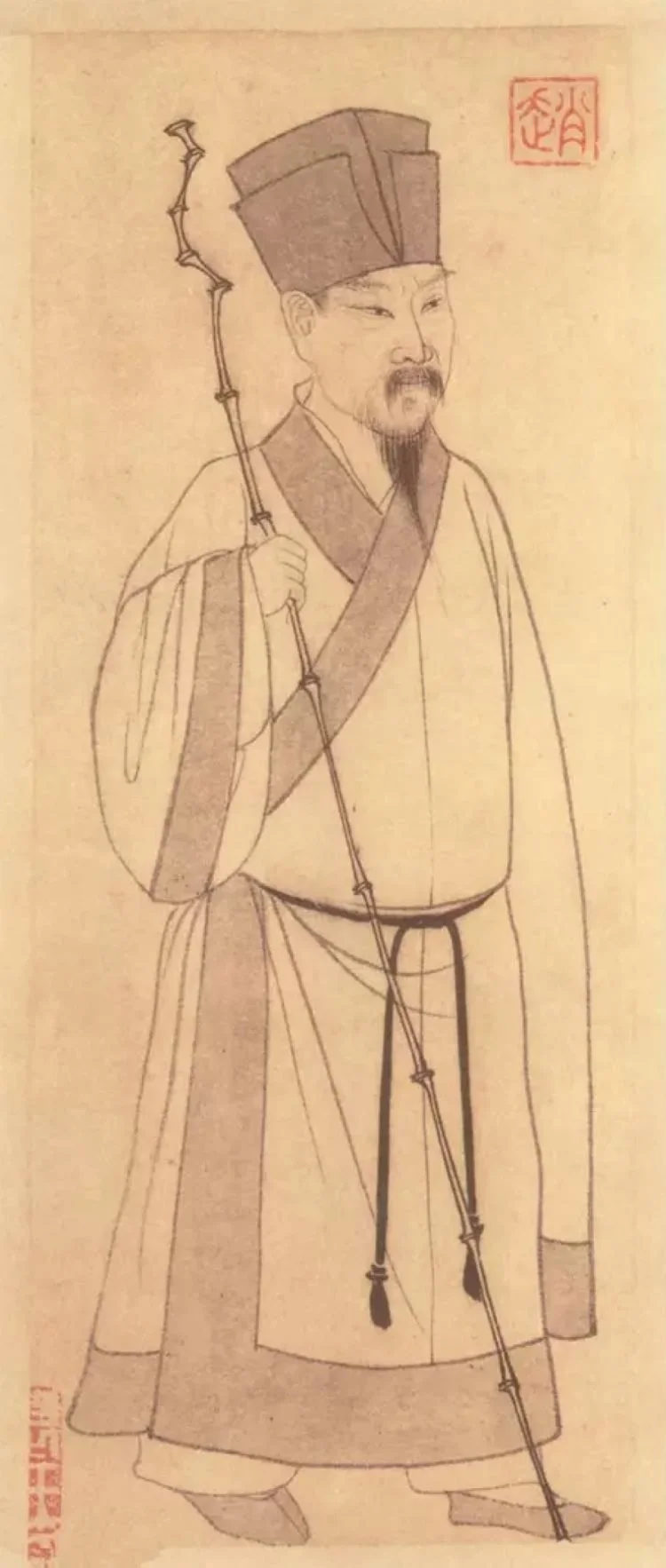
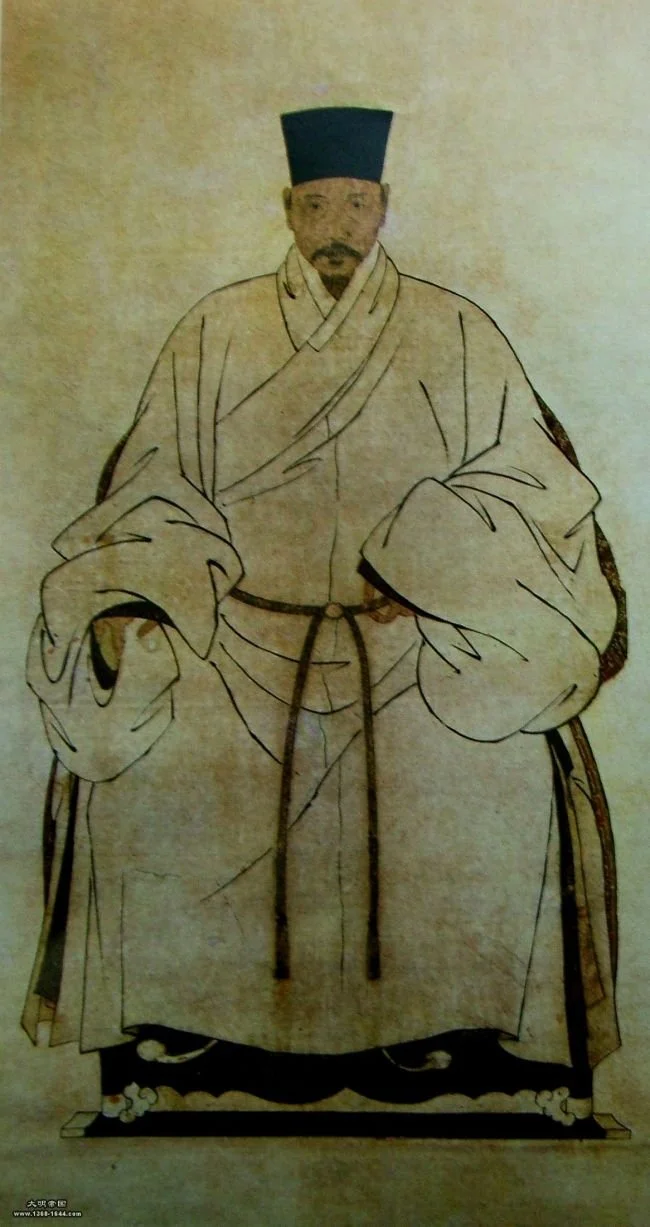
Zhiduo were generally fastened around the waist with a gong tao. The gong tao is a long cord with tassels at each end that is wrapped around the waist and knotted at the side or in the middle. It was very popular to also affix a pendant, commonly made from jade, to the cord above one of the tassels. If the wearer’s movements were graceful, then the tassels and pendant would accentuate the wearer’s elegance. The Zhiduo could also be belted with a silk sash, called a dadai.
Zhiduo could be plain in color, but round longevity motifs and baoxiang flowers were common textile decorations. Baoxiang flowers were typically lotuses or peonies with geometric leaves and branches twisting between. Zhiduo were generally made from silk, satin, or cotton.
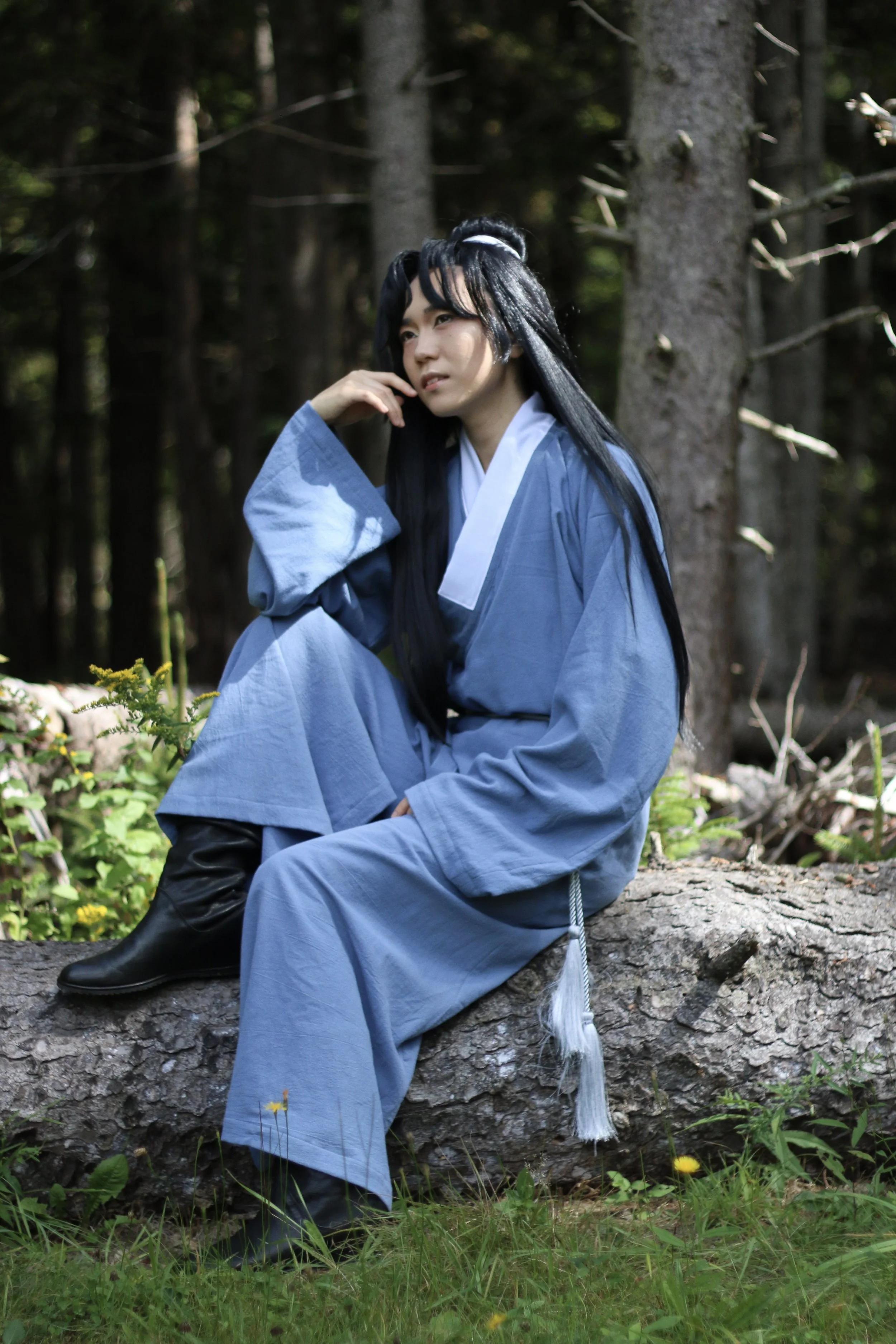
Sew Your Own
Interested in making your own zhiduo? Use “The Official” hanfu sewing pattern (includes zhiduo and yuanlingpao patterns).
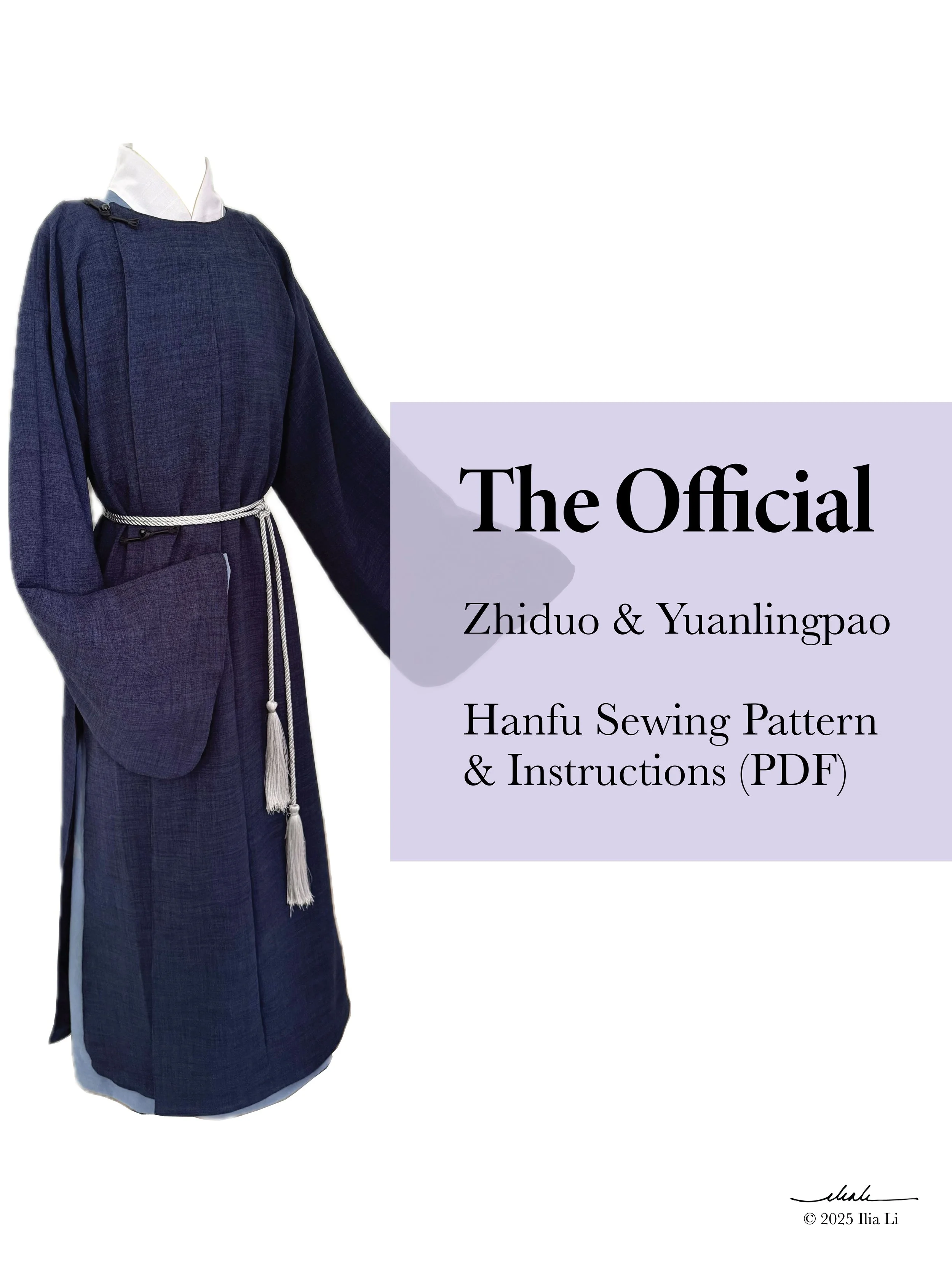
Looking for a Hanfu sewing pattern? Making a wuxia, xianxia, or danmei cosplay or Chinese historical reenactment costume based between the Tang Dynasty and Ming Dynasty? Want a pattern that provides info on how to properly wear Hanfu and historical considerations like sleeve length and fabric choices? I have made just the pattern for you!
This pattern includes 2 outfits—a zhiduo and yuanlingpao—which can be worn layered together or separately. These garments were most commonly worn by men historically, but became popular amongst women in the Tang Dynasty. This outfit was inspired by the robes worn by court civil and military officials.
This digital download includes:
Printable sewing pattern & sewing instructions for 2 garments: Zhiduo & Yuanlingpao
Printable patterns are compatible with US Letter, A4 paper, and A0 paper
Yuanlingpao pattern includes optional bai and buzi pieces for historical makers
4 unisex sizes S/M/L/XL covering approximately US men’s XS-L or women’s XS-XXL and instructions on how to resize your pattern
See size chart image for detailed measurements
Instructions on how to wear hanfu in a historically accurate way
Historical considerations for fabrics, colors, motifs, and fit
Estimated yardage and sample cutting layouts
Note that I pattern in metric, so the standard seam allowance is 1cm (3/8in). Information to alter the seam allowance is provided
When you purchase this pattern, a checkout page will open containing a link to the digital download that will last for 24 hours. You will also receive an email with the same link. The download is a zip file which you will need to unzip to access the PDFs of the printable patterns and instructions. Please make sure to provide your correct email address so that the digital download is delivered to you successfully and remember to download it within 24 hours of delivery. To use the digital pattern, print out the pattern PDFs, tape together the numbered grid of pages, and then cut out the pattern pieces.
Note that this pattern is to be used for your personal use only. Commercial use and redistribution are not permitted.
Sources Consulted (photo sources listed in image captions):
5000 Years of Chinese Costume by Xun Zhou
Hanfu: A Visual Primer of Historical Han Chinese Attire by the Northern California Hanfu Association
